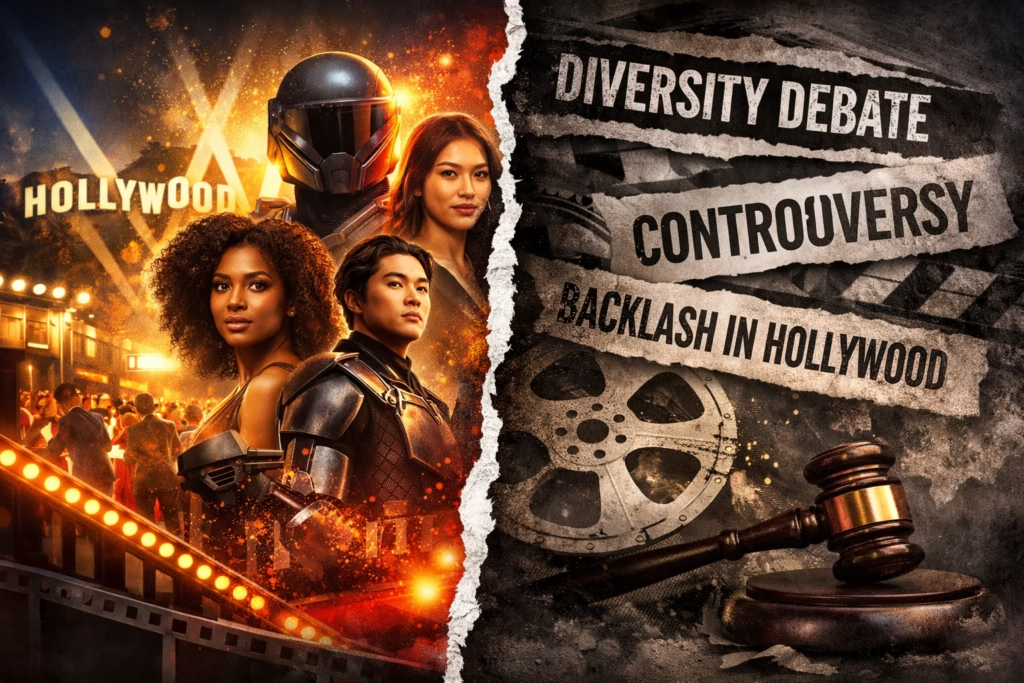
Hollywood Diversity Backlash: Is the Film Industry Failing Its Audience?
In recent years, Hollywood Diversity Backlash has become one of the most debated and controversial topics in entertainment. What began as calls for broader representation on screen has, for many, turned into a flashpoint dividing audiences, critics, and industry professionals especially in the UK and US markets.
But what exactly is driving this backlash? Is the film industry truly failing its audience, or are cultural misunderstandings and social media hyperbole fueling an exaggerated controversy? In this comprehensive article, we unpack the history, the arguments, and what the future may hold for diversity in cinema.
What Is the Hollywood Diversity Backlash?
The term Hollywood Diversity Backlash refers to the wave of criticism targeting initiatives aimed at increasing representation across race, gender, sexual orientation, and disability in film and television.
Some audiences believe that diversity efforts compromise artistic quality and storytelling authenticity, while others view the backlash itself as discriminatory undermining progress toward inclusion.
Origins of the Debate
This debate didn’t appear overnight. It grew from decades of underrepresentation in film combined with social movements demanding systemic change. Major award controversies and casting decisions especially in popular franchises have acted as flashpoints.
Key Stakeholders & Voices
Actors, directors, film critics, cultural commentators, and fans all contribute to the discourse. From social media users to traditional press outlets in the UK and US, voices on both sides are passionately engaged.
Historical Context: Diversity in Cinema
Understanding the Hollywood Diversity Backlash requires a look back at where cinema has been.
Representation in Classic Hollywood
For most of the 20th century, Hollywood films rarely featured diverse leads or complex characters from marginalized backgrounds. Stories were largely created by, and catered to, a white male perspective.
Modern Push for Inclusion
In the 2000s and 2010s, calls for change grew louder: campaigns like #OscarsSoWhite highlighted glaring disparities at major award ceremonies. Filmmakers and audiences began advocating for broader representation a shift that opened doors, but also ignited tensions.
Major Controversies Fueling the Backlash
Several high-profile incidents have stoked the fires of the Hollywood Diversity Backlash.
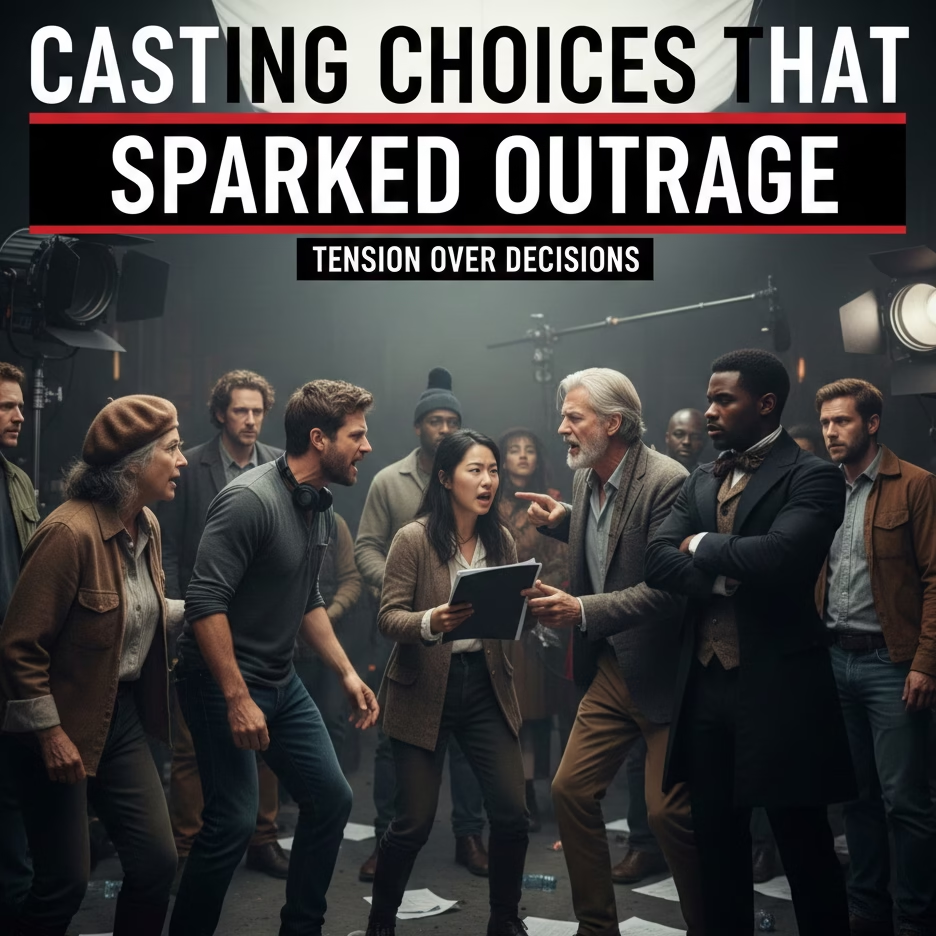
Casting Choices That Sparked Outrage
From the casting of non-white actors in traditionally white roles to debates over gender identity and franchise reinventions, certain casting decisions became lightning rods for criticism.
Fans argued that beloved characters were altered for “political correctness,” while advocates said casting reflected societal evolution.
Awards & Recognition Disparities
Award snubs for historically underrepresented groups, and conversely, praise for films with explicit diversity messaging even when critics pointed out flaws added fuel to the controversy.
Audience Reactions in the UK vs. US
The backlash isn’t uniform; cultural nuances in the UK and US influence how audiences react.
Cultural Context: UK Perspectives
In the UK, discussions around race and class in film also intersect with post-colonial history and national identity. British audiences may focus on different aspects of representation compared to their American counterparts.
American Social & Political Influences
In the US, the Hollywood Diversity Backlash is often amplified by broader social and political divides, where media consumption is already highly polarized.
The Role of Social Media in Escalating Tensions
Social platforms amplify voices and outrage cycles, sometimes escalating minor issues into headline controversies.
Hashtags, Trends, and Online Movements
Hashtags like #BoycottHollywood and #RepresentationMatters show how quickly conversations can spread, mobilizing opinions both for and against diversity initiatives.
Cancel Culture Dynamics
Accusations of “cancel culture” further complicate the discussion. Some feel creatives are unfairly targeted or silenced, while others argue accountability is overdue.
Box Office & Commercial Outcomes
Do diverse films perform well at the box office, or do audiences reject them?
Hits and Misses with Diverse Films
Films celebrating inclusivity have seen tremendous success consider global hits like Black Panther and Crazy Rich Asians suggesting diverse stories resonate worldwide. Yet, some movies criticized for diversity changes underperform, though it’s often difficult to isolate causes.
Economic Impact of Backlash Narratives
When controversy dominates headlines, it can influence ticket sales both positively and negatively but correlation doesn’t always imply causation.
Also Read: Top New Releases Movies on Netflix 2025–2026 | Best New Films to Watch Now
Critics vs. Fans: Who’s Right?
At the heart of the Hollywood Diversity Backlash is a clash between critics and fans.
Film Critic Perspectives
Professional critics generally evaluate films on artistic, technical, and narrative merits and many highlight the historic need for representation.
Fan-Driven Dissent
Fans often vocalize emotional responses tied to nostalgia, personal identity, or franchise loyalty, which can clash with critical viewpoints.
Case Studies: Films at the Center of Debate
Let’s explore real examples where Hollywood Diversity Backlash made headlines.
Example #1 — Controversial Casting Choice
A major franchise recast a beloved character with an actor of a different ethnicity, igniting debates across forums and news outlets.
Example #2 — Awards Snub That Sparked Conversation
When a critically acclaimed performance by an underrepresented actor was overlooked for major awards, social media outcry reignited calls for industry reform.
Industry Response: What Hollywood Is Doing
Studios aren’t silent. Public statements, PR campaigns, and casting transparency efforts aim to balance artistic vision with audience expectations. Major production companies now implement inclusion quotas, mentorship programs, and diverse storytellers’ funds.
Also Read: Euphoria Season 3: Release Timeline, Story Direction, Cast Updates & Everything Fans Need to Know
The Future of Inclusion in Cinema
So where does the industry go from here? Expect continued evolution: nuanced storytelling, cross-cultural collaborations, and a broader definition of what mainstream cinema looks like. The Hollywood Diversity Backlash may persist, but constructive dialogue and thoughtful filmmaking can bridge divides if studios and audiences listen.
Frequently Asked Questions (FAQs)
1️⃣ What does Hollywood diversity backlash mean?
It refers to criticism of efforts to increase representation of diverse groups in film and television.
2️⃣ Is the backlash real or exaggerated?
Both sides exist: some backlash reflects genuine disagreements about storytelling, while some reactions stem from cultural polarization.
3️⃣ Does diversity hurt film quality?
Diversity doesn’t inherently affect quality; strong writing and direction do.
4️⃣ Are diverse films successful at the box office?
Many have been hugely successful, showing audience demand for varied stories.
5️⃣ How do UK reactions differ from US reactions?
UK debates often integrate class and colonial history, while US debates intertwine with racial politics.
6️⃣ Can Hollywood fix the issue?
With intentional storytelling and audience engagement, yes but change is ongoing.
Thanks for reading! If you want a follow-up post on how specific films shaped the diversity debate, just ask!
Pingback: Top Bollywood Controversies That Shook India | 5 Biggest Scandals Ever - CineSyncs