
The Terror TV Series: 7 Terrifying Reasons This Horror Anthology Is Worth Watching
Horror television has no shortage of supernatural creatures, haunted locations, mysterious disappearances and disturbing secrets. However, very few shows understand that the most frightening experiences do not always come from monsters jumping out of the darkness. Sometimes, isolation, human desperation, psychological pressure and the fear of the unknown can be considerably more terrifying. AMC’s The Terror TV Series understands this distinction exceptionally well, delivering an unsettling horror experience that combines historical tragedies, supernatural mysteries and deeply human storytelling.
Originally premiering in March 2018, The Terror began as an adaptation of Dan Simmons’ 2007 novel of the same name. Developed for television by David Kajganich and Soo Hugh, the series was executive-produced by legendary filmmaker Ridley Scott. What makes this production particularly interesting is its anthology format. Rather than continuing the same storyline with every season, The Terror TV Series explores different historical settings, characters and forms of horror.
The first season takes viewers into the frozen Arctic wilderness, the second explores Japanese American internment during World War II, and the third installment, The Terror: Devil in Silver, moves into the disturbing environment of a psychiatric hospital. Each chapter approaches horror differently, but all three share an interest in human vulnerability and the darkness that exists within seemingly ordinary circumstances.
If you enjoy atmospheric horror that takes its time building suspense instead of depending entirely on cheap jump scares, The Terror TV Series deserves a place on your watchlist. Here are seven reasons why this anthology is worth exploring.
1. The First Season Delivers an Unforgettable Historical Horror Story
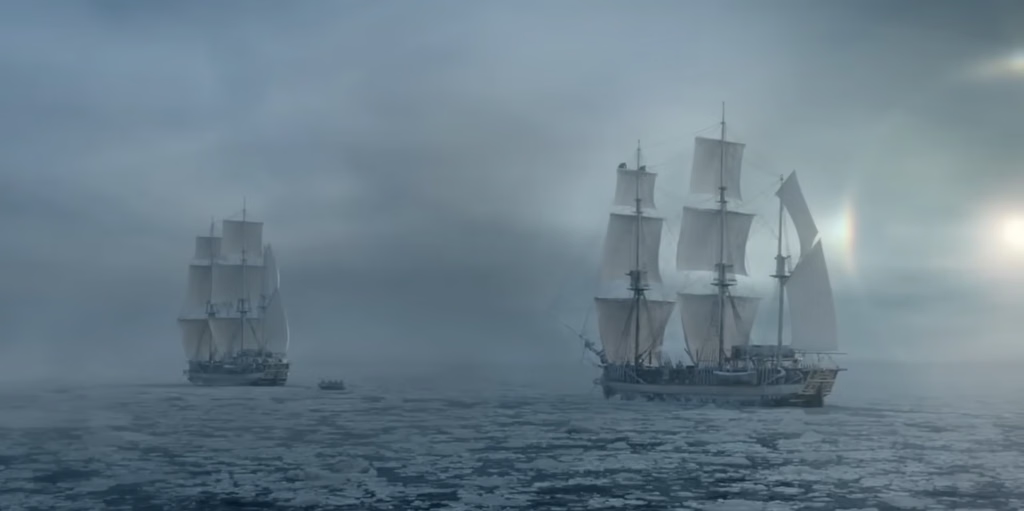
The strongest introduction to The Terror TV Series comes through its first season, which is set in 1847 and inspired by the ill-fated Franklin expedition. The historical expedition involved two Royal Navy ships, HMS Erebus and HMS Terror, which became trapped in Arctic ice while searching for the Northwest Passage.
The series follows the officers and crew as their journey turns into a desperate struggle for survival. With the ships immobilised, temperatures dropping and food supplies becoming increasingly limited, the men find themselves facing an environment that offers almost no possibility of escape. Their situation becomes even more horrifying when a mysterious creature begins stalking the expedition.
What makes this storyline effective is the way it combines historical survival drama with supernatural horror. The creature is frightening, but the freezing environment, deteriorating health, hunger and growing distrust among the crew create an equally disturbing atmosphere.
The Terror TV Series does not immediately reveal everything about its supernatural threat. Instead, it allows uncertainty to become part of the experience. Viewers gradually understand that the men are facing something beyond their ordinary understanding, while their physical and psychological conditions continue to deteriorate.
The first season is particularly impressive because it never forgets that its characters are human beings trapped in an extraordinary situation. Their decisions, mistakes and desperation become just as important as the monster itself.
2. Jared Harris Leads an Outstanding Ensemble Cast
A horror series can have impressive production design and frightening visual effects, but its emotional impact depends heavily on the performances. Fortunately, The Terror TV Series features an exceptionally talented ensemble, particularly in its first season.
Jared Harris plays Captain Francis Crozier, delivering one of the show’s most compelling performances. Crozier is a complicated leader who must deal with the responsibility of protecting his men while confronting the possibility that their expedition may never return home. Harris communicates his character’s exhaustion, intelligence, frustration and determination without turning him into an unnecessarily heroic figure.
Tobias Menzies is equally effective as Captain James Fitzjames, while Ciarán Hinds brings considerable authority to Sir John Franklin. Paul Ready’s performance as Dr. Henry Goodsir adds another important dimension to the story, particularly through the character’s compassion and curiosity.
Adam Nagaitis also deserves recognition for his portrayal of Cornelius Hickey. His character introduces an unpredictable element into the expedition, creating tension that extends beyond the supernatural threat.
The Terror TV Series benefits enormously from these performances because the characters never feel like disposable victims waiting for the next frightening sequence. They have individual personalities, conflicting ambitions and understandable fears.
The ensemble work is one of the biggest reasons the first season remains so memorable.
3. The Terror: Infamy Explores a Different Kind of Horror
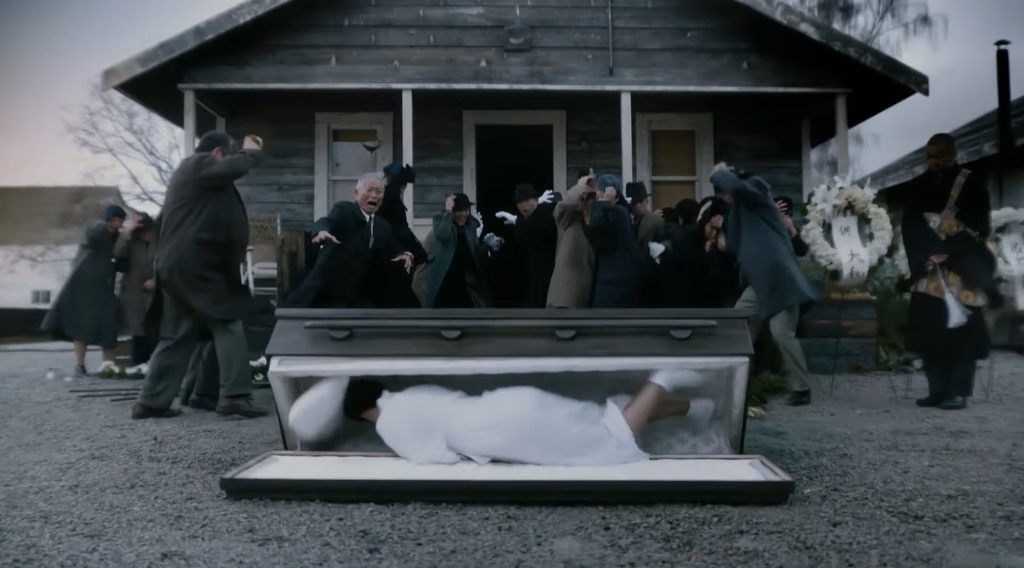
The second season, officially titled The Terror: Infamy, takes a completely different direction. Set during World War II, the story follows a Japanese American community facing discrimination, forced relocation and confinement in internment camps.
The narrative primarily follows Chester Nakayama, played by Derek Mio, as he becomes involved in a series of disturbing supernatural events. The season explores the presence of a malevolent entity while examining the real-world suffering experienced by Japanese Americans during this period.
George Takei is among the most recognisable members of the cast, appearing alongside Shingo Usami, Kiki Sukezane, Miki Ishikawa, Cristina Rodlo and Naoko Mori.
One of the most interesting aspects of Infamy is its approach to historical horror. The supernatural threat is unsettling, but the prejudice, institutional injustice and uncertainty surrounding the characters’ lives create an additional layer of fear.
Unlike the Arctic survival narrative of the first season, this chapter examines how horror can emerge from political circumstances, cultural displacement and generational trauma.
The Terror TV Series therefore avoids repeating its original formula. Infamy has a different setting, different characters and a different cultural perspective, making it a distinct chapter rather than a continuation of the Franklin expedition storyline.
Although its atmosphere and storytelling approach differ from the first season, it remains an important part of the anthology’s identity.
You may also like: The Family Disappears Movie: 7 Intriguing Details About John Cena’s New Film
4. The Third Season Brings Horror Into a Modern Setting
The anthology returned in 2026 with its third installment, The Terror: Devil in Silver. Based on Victor LaValle’s 2012 novel, this six-episode limited series introduces a more contemporary setting while retaining the franchise’s interest in psychological and supernatural horror.
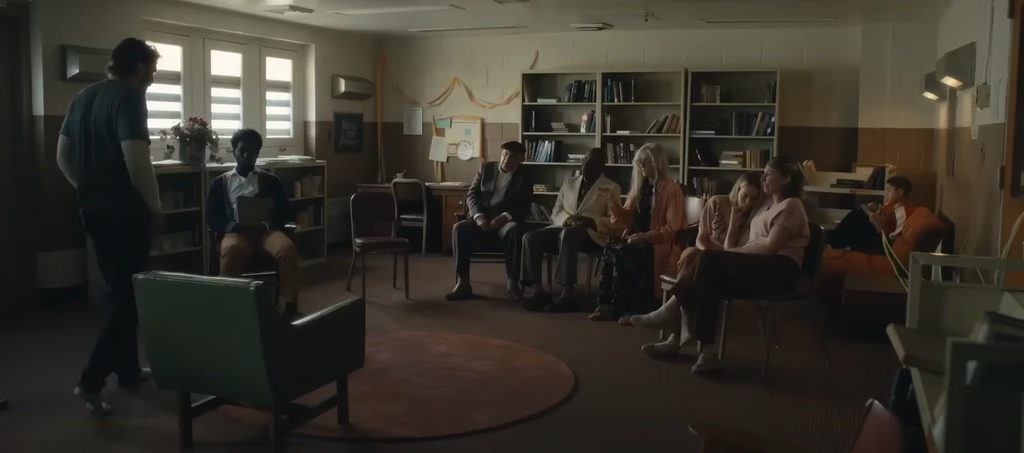
Dan Stevens stars as Pepper, a working-class moving man from Queens who finds himself wrongfully committed to New Hyde Psychiatric Hospital. What initially appears to be a temporary psychiatric hold becomes an increasingly disturbing experience as Pepper encounters dangerous patients, secretive medical staff and an unexplained presence connected to the institution.
The supporting cast includes CCH Pounder, Judith Light, Aasif Mandvi, Chinaza Uche and Stephen Root.
Chris Cantwell and Victor LaValle serve as writers and showrunners, while Karyn Kusama directs the first two episodes. Ridley Scott also returns as an executive producer.
The change in setting gives The Terror TV Series another opportunity to explore a different form of fear. Instead of placing its characters in an unforgiving wilderness or a wartime internment camp, Devil in Silver examines the frightening possibilities of institutional confinement.
Dan Stevens brings considerable intensity to Pepper, while the hospital environment creates an atmosphere where the distinction between psychological distress and supernatural danger becomes increasingly difficult to understand.
The third season does not simply reproduce the strengths of its predecessors. It introduces its own themes and storytelling approach, demonstrating how flexible the anthology concept can be.
5. The Atmosphere Is More Disturbing Than Traditional Jump Scares
One of the biggest strengths of The Terror TV Series is its understanding of atmospheric horror.
Many contemporary horror productions depend on sudden noises, unexpected appearances and rapid editing to frighten viewers. Those techniques can be effective, but their impact often disappears once the scene ends. The Terror takes a considerably more patient approach.
In the first season, the endless Arctic landscape creates a powerful feeling of isolation. The ships are surrounded by ice, the weather becomes increasingly hostile, and the crew members have nowhere to escape. Even quiet conversations can feel threatening because viewers understand how fragile the situation has become.
Infamy creates a different atmosphere through its use of shadows, unfamiliar spaces and supernatural imagery. The historical setting also gives its horror a disturbing emotional foundation.
Devil in Silver uses the hospital environment to generate tension. Restricted movement, unsettling encounters and the behaviour of the institution’s staff make ordinary situations feel increasingly uncomfortable.
Across its three installments, The Terror TV Series demonstrates that horror does not always need constant action. Sometimes, allowing viewers to anticipate danger is far more effective than showing it immediately.
6. The Production Design and Cinematography Build Convincing Worlds
The visual presentation is another major reason the anthology stands apart from many conventional horror productions.
The first season is particularly impressive in its recreation of the Arctic expedition. The ships, costumes, equipment and frozen surroundings help establish a convincing nineteenth-century environment. The production was filmed in Budapest, Hungary, with its locations and visual effects helping create the impression of an isolated expedition trapped in an unforgiving landscape.
The cinematography frequently uses wide compositions to emphasise the smallness of the characters against the surrounding wilderness. This visual approach reinforces the central idea that nature is indifferent to human survival.
The Terror TV Series also makes effective use of lighting and colour. The cold, muted visual palette of the first season contributes to its bleak atmosphere, while the second season develops a different visual identity suited to its wartime setting.
Devil in Silver moves away from these historical environments, using the hospital’s interiors and confined spaces to create discomfort. Its visual approach is less about overwhelming landscapes and more about making familiar surroundings feel threatening.
The production design is not simply decorative. It plays an important storytelling role, helping each season establish its own identity.
7. The Series Has More to Say Than Simply Frightening Its Audience
Perhaps the most important reason to watch The Terror TV Series is that its horror stories are built around meaningful human themes.
The first season examines leadership, survival, ambition, desperation and the consequences of making difficult decisions under extreme pressure. Its characters are not simply fighting a supernatural creature; they are also confronting their own limitations and the collapse of the social structures that once governed their lives.
Infamy addresses discrimination, cultural identity, historical injustice and the psychological consequences of forced displacement. Its supernatural narrative exists alongside a very real historical tragedy, giving the season a different emotional weight.
Devil in Silver explores institutional power, social neglect, mental health and the experiences of people who are frequently ignored by society. Its central setting becomes more than a location for supernatural events; it becomes a reflection of the vulnerability of people placed in the care of institutions.
This thematic ambition gives The Terror TV Series an identity beyond conventional genre entertainment. Its stories are disturbing because they connect supernatural possibilities with recognisable human fears.
Not every season balances these ideas equally well, and viewers may find certain storylines slower or less immediately engaging than others. Nevertheless, the anthology consistently attempts something more ambitious than delivering a collection of frightening scenes.
You may also like: Bryan Cranston and Aaron Paul Reunion: 5 Exciting Details Fans Must Know
What Is the Correct Order to Watch The Terror TV Series?
The Terror TV Series follows an anthology structure, meaning each installment tells a largely independent story. You do not need to understand the first season’s characters or events to follow the second or third.
However, watching the seasons in their original release order is the best approach:
- The Terror – Season 1 (2018): The Franklin expedition becomes trapped in the Arctic while facing a mysterious predator. It has 10 episodes.
- The Terror: Infamy – Season 2 (2019): A Japanese American community faces supernatural events during World War II. It has 10 episodes.
- The Terror: Devil in Silver (2026): Pepper encounters disturbing secrets and a possible supernatural presence inside a psychiatric hospital. It has six episodes.
Each season has a different cast and central storyline, so viewers can approach them independently. Still, the first season is the ideal starting point because it establishes the anthology’s distinctive combination of historical drama, psychological tension and supernatural horror.
Is The Terror TV Series Worth Watching?
Absolutely, particularly if you appreciate horror that prioritises storytelling, atmosphere and character development over constant jump scares.
The first season remains the strongest recommendation, thanks to its extraordinary setting, compelling performances and carefully constructed survival narrative. The Terror: Infamy offers a different perspective by connecting supernatural horror with a painful chapter of American history. Meanwhile, Devil in Silver brings the anthology into a contemporary environment and gives Dan Stevens an opportunity to lead another unsettling story.
There are differences in quality and pacing between the installments. The second season may not appeal equally to viewers who prefer the Arctic survival elements of the original, while the third season takes a more psychological and institutional approach to horror. However, those differences are also part of what makes the anthology interesting.
The Terror TV Series is worth watching because it understands that genuine horror can emerge from history, human behaviour, isolation and uncertainty. It is not a perfect anthology, but its willingness to explore different forms of fear makes it considerably more interesting than a standard supernatural thriller.
CineSyncs Verdict: If you are searching for a mature horror anthology with strong performances, unsettling atmosphere and stories that stay with you after the credits roll, The Terror TV Series is an excellent choice.
Rating: 8.5/10
Read More about The Terror TV Series
Frequently Asked Questions (FAQs)
1. What is The Terror TV Series about?
The Terror TV Series is an anthology horror drama in which each season explores a different story inspired by historical events or other disturbing circumstances. Its installments combine supernatural horror, psychological tension and human drama.
2. How many seasons does The Terror have?
The anthology has three installments as of October 2026: The Terror (2018), The Terror: Infamy (2019) and The Terror: Devil in Silver (2026).
3. Is The Terror based on a true story?
The first season is inspired by the real-life Franklin expedition of 1845, although its supernatural elements and several character events are fictionalised. The second season draws on the historical experience of Japanese American internment during World War II. The third season is based on Victor LaValle’s fictional novel.
4. Is The Terror TV Series connected across all three seasons?
No. The series follows an anthology format. Each installment has its own characters, setting and central storyline. You can watch the seasons independently, although release order is recommended.
5. Who produced The Terror TV Series?
The anthology is an AMC Studios production associated with Scott Free Productions, EMJAG Productions and Entertainment 360. Ridley Scott is among its executive producers.
6. Is The Terror a scary horror series?
Yes. However, it relies more on atmospheric tension, psychological horror, disturbing imagery and suspense than on frequent jump scares. The first season is particularly effective at creating a sustained feeling of dread.
7. Where can you watch The Terror TV Series in India?
As of October 30, 2026, JustWatch’s India listing does not show an available licensed streaming option for the series. Availability can change, so check local streaming listings before subscribing to a service.
You can read more here: The Terror (TV series)